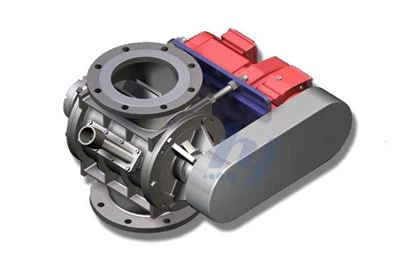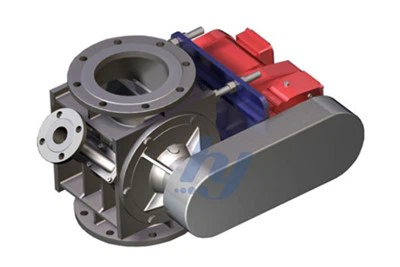

In industrial production, rotary airlock valves are core and indispensable equipment in pneumatic conveying systems for powder and granular materials. Widely applied in bulk material conveying, silo discharging and material flow regulation, their performance and compatibility directly determine production efficiency and system stability. However, many enterprises only focus on price and basic specifications during procurement, while ignoring critical compatibility issues. The key questions below will help you make well-informed purchasing decisions.
What Are the Characteristics of Your Materials?
A rotary airlock valve must be highly compatible with the physical and chemical properties of conveyed materials, including particle size distribution, bulk density, moisture content, flowability, adhesiveness and corrosiveness.
- Particle size and shape: Oversized particles may cause blockage in rotor clearances; long fibrous materials or agglomerates tend to wind around the rotor.
- Density and abrasiveness: Materials with high density or hardness will accelerate rotor wear. Wear-resistant alloy or hardened steel is recommended for such working conditions.
- Moisture and adhesiveness: Damp materials easily adhere to the valve body and disrupt material flow. Surface coating or anti-stick treatment is required in this case.
Recommendation: Provide a detailed material report including particle analysis and flowability test results before purchase. Manufacturers can then customize rotor clearances, body materials and sealing structures accordingly.

Are There Strict Requirements for System Airtightness?
Beyond material conveying, rotary airlock valves maintain the airtightness of the entire system. For pneumatic conveying lines, the sealing performance of the valve exerts a direct impact on system pressure and conveying efficiency.
- High airtightness systems: For negative pressure suction conveying systems, the sealing clearance shall be no more than 0.5 millimeters; excessive clearance will lead to pressure loss and reduced conveying efficiency.
- Leakage-sensitive materials: Large amounts of dust or hazardous materials will trigger potential safety and environmental hazards if the valve is poorly sealed.
Engineering Suggestion: If your production line requires high airtightness, verify that sealing materials (such as polyurethane, fluororubber or metal seals) and pressure resistance range meet operational demands. Request air tightness test data from the manufacturer.
What Are the Required Flow Rate and Discharge Capacity?
Rotary airlock valves of different models feature distinct discharge capacities. Before model selection, clarify the hourly and daily material conveying volume, as well as the operational performance under full-load and partial-load conditions.
A clear understanding of actual flow demands prevents blockage caused by undersized valves or unnecessary cost waste from oversized equipment.
- Reference Calculation Formula

Where: Q = Hourly discharge volume n = Rotational speed (rpm) Vr = Discharge volume per rotor revolution ρ = Bulk density of materials
- Operating Condition Considerations: Continuous operation, extreme temperatures and intermittent start-stop cycles will all affect the actual flow rate.
Recommendation: Submit your production line discharge requirements and system pressure parameters, and ask the manufacturer to provide flow curves and performance data under different load conditions.
Do the Selected Materials Meet Abrasion Resistance Requirements?
The materials for valve bodies and rotors shall be selected based on material properties. For dusty, high-hardness or corrosive materials, prioritize wear-resistant and anti-corrosive materials to extend service life and cut maintenance costs.
- Carbon steel: Ideal for dry materials with low abrasiveness.
- Stainless steel (304/316): Suitable for food processing, chemical industries and humid environments, featuring excellent corrosion resistance.
- Wear-resistant alloy / Hardened steel: The optimal choice for high-hardness granular materials, dusty materials and sand-like media.
Engineering Suggestion: Evaluate the wall thickness of valve bodies and rotors combined with material abrasion tests and service frequency. Confirm whether the manufacturer offers replaceable liners and hardened rotors.
Is Routine Maintenance and Cleaning Convenient?
Rotary airlock valves require regular inspection and maintenance, including rotor cleaning, bearing lubrication and seal replacement.
Before purchasing, check the ease of disassembly and cleaning, the availability of quick-replaceable parts, as well as the manufacturer's after-sales maintenance guidance and spare parts support.
- Easy assembly & disassembly: Quick-release designs effectively reduce production downtime.
- Spare parts supply: Learn about the delivery cycle and cost of wearing parts such as bearings, seals and rotors.
- Safety protection: Valves equipped with protective guards and locking devices ensure operator safety.
Recommendation: Give priority to models with on-site quick maintenance designs and standardized spare parts. Request official maintenance manuals and professional operation training.
What Is the Drive Mode and Energy Consumption?
Common drive types for rotary airlock valves include direct motor drive and gear reducer drive. Different drive modes affect starting torque, energy consumption and system compatibility.
Select a proper drive mode according to production line operation features and energy costs to ensure efficient and stable valve operation.
- Gear motor drive: Applicable to heavy-load systems with bulky materials, delivering stable torque yet relatively higher energy consumption.
- Direct-coupled motor drive: Suited for light-load working conditions, with a compact structure and outstanding energy-saving performance.
- Variable frequency control: Adjusts rotational speed based on real-time flow demands, improving flow control accuracy and energy efficiency.
Engineering Suggestion: Choose a drive mode matching the load curve of your production line. Calculate long-term energy consumption and starting impact to avoid equipment overload.
Does the Product Comply with Safety and Environmental Standards?
Industries such as food processing, pharmaceuticals and chemical engineering impose strict hygiene, safety and explosion-proof standards on rotary airlock valves.
- Food & pharmaceutical industries: Products need to comply with FDA, GMP or EHEDG certifications, with strict requirements for easy-to-clean structure and surface finish.
- Chemical & explosion-proof industries: Valves must meet ATEX or local explosion-proof grades. The valve body and motor shall be anti-static and spark-proof.
- Environmental protection requirements: Dust emission shall be controlled, and seal leakage rate must stay below the standard limit.
Engineering Suggestion: Confirm that the valve material, sealing design and explosion-proof rating comply with relevant regulations. Ask the manufacturer to provide complete certification documents and verify full compliance with industry specifications.
Conclusion: Adequate Preparation Is Essential for Procurement
Although rotary airlock valves seem like simple equipment, their model selection and configuration profoundly influence the stability and efficiency of the entire production system. By clarifying material characteristics, flow requirements, sealing and abrasion resistance demands, maintenance convenience and safety standards in advance, you can avoid equipment mismatch, frequent malfunctions and extra costs. Full communication with suppliers on the above key points is the guarantee to select a valve that perfectly fits your production needs.
Find the Right Rotary Airlock Valve for Your Application
A well-matched rotary airlock valve will make your production line more efficient and stable. Feel free to contact us, and HANYE professional engineers will customize the optimal valve solution for your material conveying system.
Our Services:
- Free product specification matching and discharge capacity calculation
- Rapid sample testing and customized material solutions
- Full-lifecycle maintenance guidance to minimize production downtime