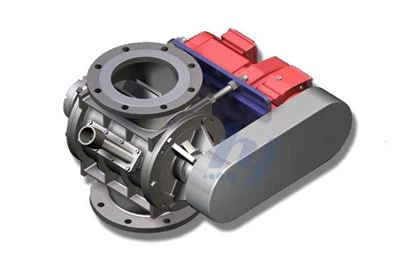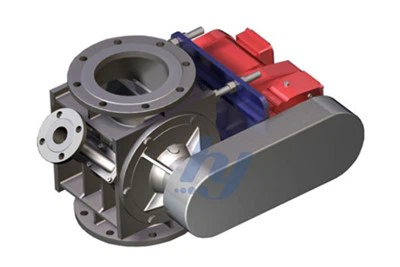

Sealing Principle of Knife Gate Valves
A knife gate valve operates by vertically shearing through the medium, much like a guillotine blade. Its sealing integrity depends on the precision of the fit between the gate plate and the valve seat. High-quality knife gate valves feature an elastic seat design; upon closing, the gate plate wedges into the seat, generating a self-tightening force that creates a dual-barrier seal comprising both metal and soft-sealing components. Under normal operating conditions, leakage can be restricted to within 0.1% of the total medium volume, making these valves particularly suitable for media containing high concentrations of particulate matter-such as slurries and powders.
II. Key Factors Affecting Sealing Performance
Medium Characteristics: Fluids containing solid particles can cause wear on the sealing surfaces, while fibrous media may become lodged within the gate plate's guide slots.
Pressure Differential: Sealing performance is optimal under low-pressure differential conditions; exceeding the valve's design pressure may result in minor leakage.
Operating Frequency: Frequent opening and closing cycles accelerate the aging of sealing components; therefore, it is recommended to conduct an annual inspection of the valve's sealing performance.
Installation Angle: The valve must be installed in a strictly vertical orientation; any deviation exceeding 5° will disrupt the trajectory of the descending gate plate.