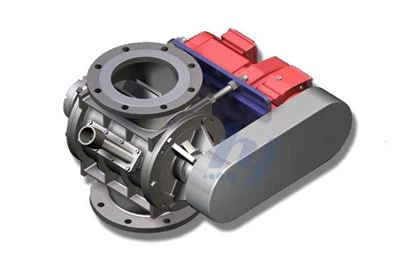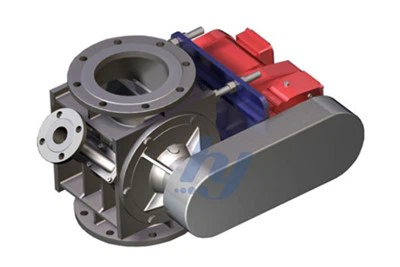

In powder handling, pneumatic conveying and bulk material conveying systems, the diverter valve is an important device used to control material flow direction. It can switch materials from one conveying path to another according to production process requirements, realizing functions such as material distribution, route switching and multi-point conveying.
For industrial production enterprises, although the diverter valve is only a component of the conveying system, its performance directly affects the stable operation of the entire production line. Improper valve selection may lead to material leakage, reduced conveying efficiency, increased equipment wear, and even production shutdown.
Due to the differences in material characteristics, conveying methods and operating environments in different industrial fields, there is no single diverter valve suitable for all working conditions. Therefore, when purchasing diverter valves, it is necessary to conduct a comprehensive evaluation from multiple aspects including material type, system parameters, structural form, material selection and maintenance requirements based on actual application needs.
This article introduces the key factors to be considered when selecting a diverter valve, helping you choose a more suitable solution according to specific application scenarios.
I. Clarify the Application Scenarios of Diverter Valves
Before selecting a diverter valve, it is first necessary to understand what type of conveying system it will be applied to and what work tasks it will undertake. Different application environments have obvious differences in the structural design and performance requirements of diverter valves.
1. Application in Pneumatic Conveying Systems
In pneumatic conveying systems, diverter valves are usually installed between conveying pipelines to change the conveying direction of powder or granular materials.
Common applications include:
- Plastic particle conveying
- Food powder conveying
- Chemical raw material conveying
- Pharmaceutical powder conveying
- Mineral powder conveying
Such applications usually put forward higher requirements for diverter valves, such as:
- Good sealing performance to reduce dust leakage
- Fast and stable switching capability
- Low material residue
- Reliability for long-term continuous operation
2. Application in Gravity Conveying Systems
On production lines that rely on gravity for material conveying, diverter valves are mainly used to control the material blanking direction to realize material distribution between different storage silos and production equipment.
Common applications include:
- Grain processing
- Cement production
- Feed processing
- Mineral processing
Such applications usually pay more attention to:
- Valve body wear resistance
- Large-flow conveying capacity
- Material blockage prevention
- Equipment service life

II. Select Diverter Valves According to Material Characteristics
Material property is one of the important factors determining diverter valve selection. Different materials have differences in fluidity, abrasiveness, corrosiveness and other aspects, so it is necessary to select matched valve structures and materials.
1. Powder Materials
Powder materials are usually characterized by fine particles and easy dusting, such as:
- Cement powder
- Lime powder
- Flour
- Chemical powder
For such materials, focus should be placed on:
- Valve sealing performance
- Whether the internal structure is prone to material accumulation
- Ability to reduce dust leakage
- Suitability for continuous operation
When applied in industries with high hygiene requirements such as food and pharmaceutical industries, material safety and cleaning and maintenance requirements also need to be considered.
2. Granular Materials
Granular materials usually have certain impact and abrasion properties, such as:
- Plastic particles
- Grain particles
- Feed particles
- Ore particles
Key considerations for selection:
- Valve body wear resistance
- Design of internal wear-resistant components
- Valve plate strength
- Long-term operation stability
If the material has high hardness, diverter valves with wear-resistant design should be selected to reduce replacement frequency.
3. Corrosive Materials
Some chemical raw materials or special industrial media may be corrosive.
Such applications need to focus on:
- Corrosion resistance of valve body materials
- Adaptability of sealing materials
- Surface anti-corrosion treatment
Appropriate stainless steel materials or special protection schemes shall be selected according to the properties of specific media.
III. Selection According to Diverter Valve Structural Type
Diverter valves with different structural forms have differences in scope of application and performance characteristics.
1. Flap Diverter Valve
The flap diverter valve changes the material flow direction through the rotation of the internal valve plate, which is a common structure in industrial conveying systems.
Main features:
- Simple structure
- Stable switching
- Low manufacturing cost
- Relatively convenient maintenance
Applicable to:
- Ordinary powder conveying
- Granular material conveying
- Gravity blanking systems
For industrial applications with uncomplicated working conditions, the flap diverter valve is usually an economical and reliable choice.
2. Plug Diverter Valve
The plug diverter valve changes the material passage through a rotary structure and can achieve better sealing effect.
Main features:
- Good sealing performance
- Suitable for pressure conveying environments
- Reduced risk of material leakage
Applicable to:
- Pneumatic conveying systems
- Fine powder conveying
- Industrial environments with high sealing requirements
3. Ball Diverter Valve
The ball diverter valve realizes flow direction switching through the rotation of the internal ball body.
Main features:
- Low flow resistance
- Fast switching speed
- Good sealing performance
Applicable to:
- Highly automated conveying systems
- Application scenarios with high requirements for operation stability
IV. Focus on Key Technical Parameters
In addition to application environment and material properties, it is necessary to select diverter valves with appropriate specifications according to conveying system parameters.
1. Material Flow Rate
The size of the diverter valve needs to match the system conveying capacity.
If the valve size is too small:
- It will increase the resistance of material passage
- Reduce conveying efficiency
- Increase the risk of blockage
If the valve size is too large:
- It will increase procurement costs
- Affect equipment compatibility
Therefore, appropriate valve specifications shall be selected according to the actual conveying volume.
2. Working Pressure
For pneumatic conveying systems, it is necessary to focus on confirming:
- System operating pressure
- Valve pressure bearing capacity
- Whether the sealing structure meets the requirements
Insufficient pressure rating may lead to leakage or equipment failure.
3. Working Temperature
The temperature environment will affect:
- Valve body material performance
- Service life of sealing parts
- Stability of driving devices
In high-temperature environments, materials and sealing schemes suitable for high-temperature working conditions shall be selected.
V. Select Appropriate Driving Modes
The driving mode of the diverter valve affects the automation degree and operation efficiency of the equipment.
1. Pneumatic Driving
Pneumatic driving is a widely used method in industrial automatic conveying systems.
Advantages include:
- Fast response speed
- Simple control
- Suitable for continuous production lines
Applicable to:
- Automated production equipment
- High-frequency switching applications
2. Electric Driving
Electric driving is suitable for scenarios requiring precise control and remote operation, with the following characteristics:
- High control accuracy
- Easy to connect with automatic control systems
- Suitable for intelligent production environments
VI. Consider Material and Wear-Resistant Design
The manufacturing material of the diverter valve directly affects the equipment service life. Common materials include:
Carbon Steel
Features:
- High strength
- Cost-effective
Applicable to:
- Ordinary industrial conveying environments
Stainless Steel
Features:
- Corrosion resistance
- Easy to clean
Applicable to:
- Food industry
- Pharmaceutical industry
- Chemical industry
Wear-Resistant Materials
For highly abrasive materials, the following are required:
- Wear-resistant steel
- Wear-resistant lining
- Special surface treatment
These measures improve equipment service life and reduce maintenance frequency.
VII. Evaluate Maintenance Cost and Long-Term Reliability
When purchasing diverter valves, do not only focus on the initial purchase price, but also consider the long-term use cost, with focus on the following aspects:
1. Maintenance Convenience
A well-designed diverter valve shall facilitate:
- Daily inspection
- Replacement of sealing parts
- Internal cleaning
- Drive maintenance
2. Spare Parts Supply Capacity
During long-term operation, some parts may need to be replaced. When selecting suppliers, confirm:
- Whether long-term spare parts support is provided
- Whether technical service capabilities are available
- Whether after-sales support can be provided
3. Product Service Life
Although high-quality diverter valves may have high initial investment, they can reduce:
- Equipment downtime
- Maintenance times
- Production losses
It has higher economic value in terms of overall operating costs.
VIII. How to Select a Reliable Diverter Valve Supplier?
In addition to the product itself, the supplier's technical capability is also an important factor in procurement decisions. The following aspects can be focused on when selecting a supplier:
1. Industrial Application Experience
Manufacturers with rich project experience can provide more reasonable selection suggestions according to customers' material characteristics and process requirements.
2. Custom Design Capability
Different projects may have special requirements, such as:
- Special materials
- Special pressure environments
- Non-standard sizes
- Special installation methods
A reliable supplier shall have engineering design and customized production capabilities.
3. Product Quality Control
Attention shall be paid to:
- Raw material quality
- Processing accuracy
- Assembly standards
- Factory test procedures
Ensure that the equipment can meet long-term industrial operation requirements.
Conclusion
Selecting a suitable diverter valve requires comprehensive consideration of application scenarios, material characteristics, conveying parameters, structural forms, material performance and maintenance requirements.
For powder handling, pneumatic conveying and bulk material conveying systems, correct diverter valve selection can not only improve production efficiency, but also reduce equipment failures and maintenance costs.
When purchasing diverter valves, enterprises shall select matching products according to their own process demands instead of simply comparing prices. Communicating actual application conditions with manufacturers with rich industrial experience can help obtain more reliable and efficient conveying solutions.